New K-Chicken Belt tour pairs Jeju Island's restored Gueom chicken with forest walks, tangerine wine, island's famous water
JEJU CITY — Separating a fresh Gueom chicken egg takes patience. The fresher the egg, the more stubbornly the yolk clings to the white, and the hens that lay them produce only about one egg every three days.
Those eggs, and the slender, free-range birds that lay them, are at the center of Kkokkio Gyorae, a new food tour set in Gyorae-ri, a village in Jocheon-eup, Jeju City, which was designated a native chicken distribution special zone in 2009. The name pairs "kkokkio," the Korean sound of a rooster's crow, with the name of the village.
The tour is part of the K-Food Belt project led by the Ministry of Agriculture, Food and Rural Affairs and the Korean Food Promotion Institute, which links regional ingredients, local dishes and traditional liquor with tourism. This year the project has turned to chicken, with belts for fried chicken in Suwon, Gyeonggi Province, and Gumi, North Gyeongsang Province, and for regional chicken dishes in Chuncheon, Gangwon Province, and Jeju Island.
The Jeju program, operated by local travel company Eat.around, was introduced to reporters on a two-day familiarization tour.
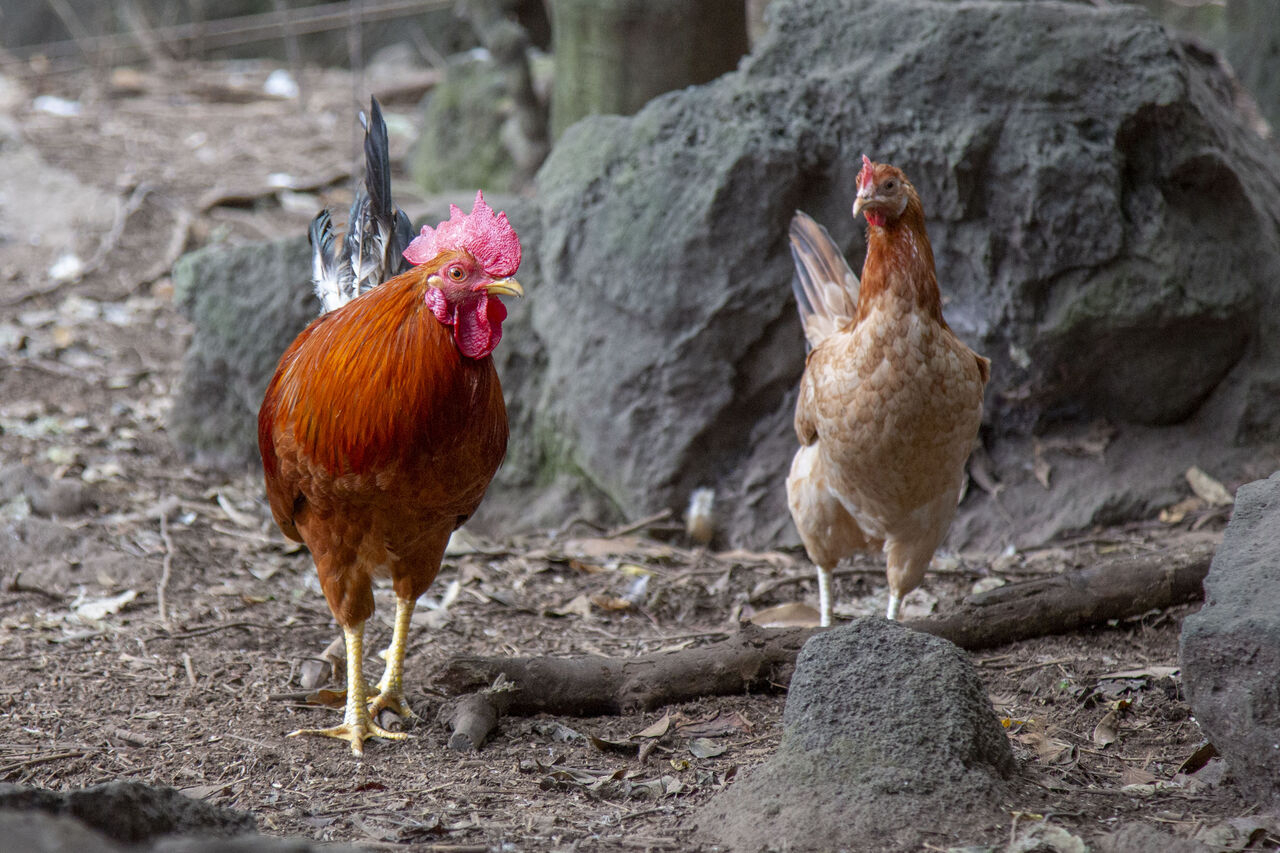
It is built around the Gueom chicken, the only breed recognized as native to the island. Jeju's isolation long kept the breed from mixing with others, and in 2025 it was listed on the Domestic Animal Diversity Information System of the UN Food and Agriculture Organization.
The line was once broken and later restored, and the birds are now raised free-range at 10 farms in the small town of Aewol on the island's northwest coast. Producers are still working to bring quality and volume up to a level the market can sustain.
Egg tarts and tangerine wine
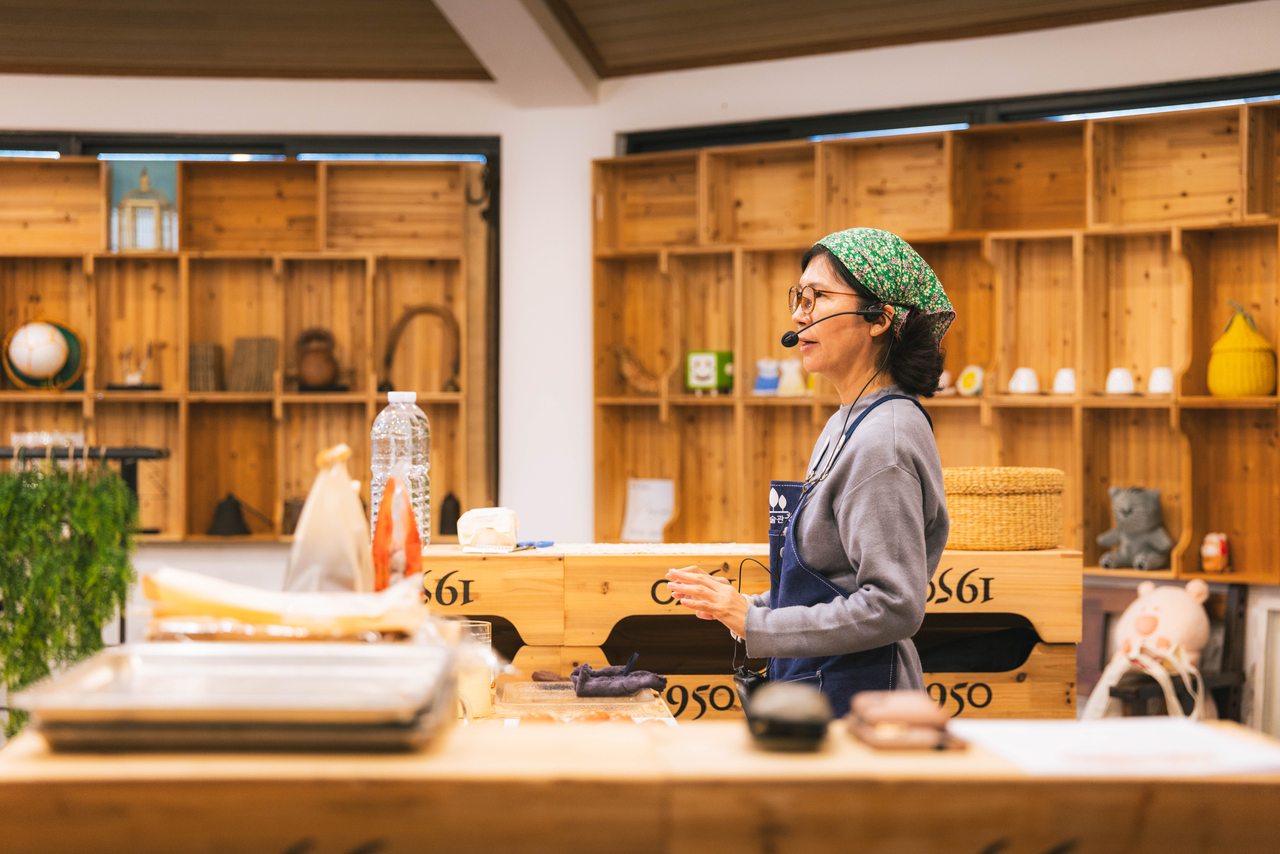
The first day starts at 1950 Winery, named for the height — roughly, in meters — of Hallasan, Jeju Island and South Korea's tallest mountain. The first lesson, though, is in baking. Lee Kyung-hwa, a director of the Gyorae Samdasoo Village Cooperative, leads a baking class in Portuguese-style egg tarts made with Gueom eggs.
The tarts come out of the oven warm, with a crisp shell and a soft, rich custard, and are served with pu'er tea or coffee.
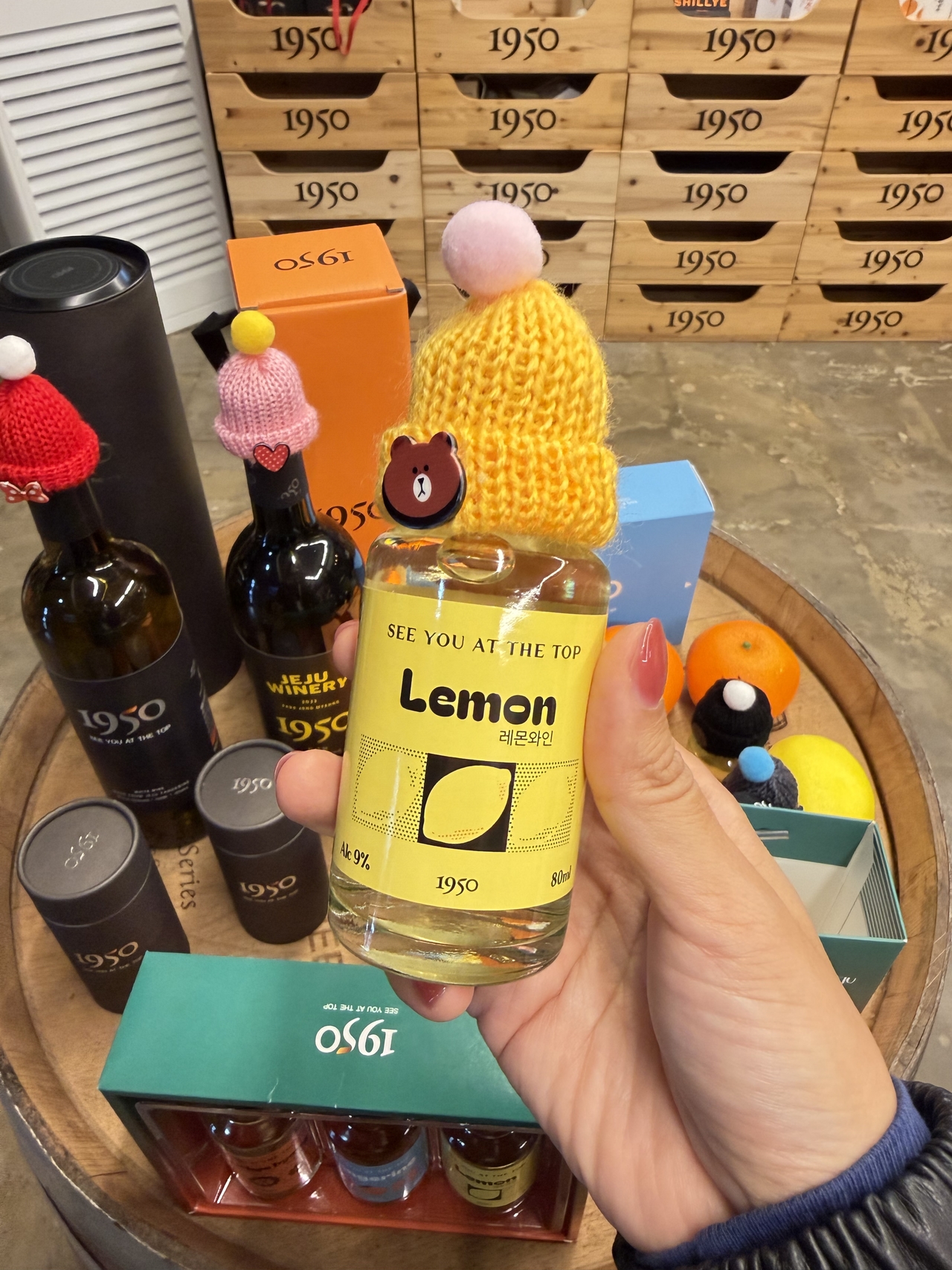
A tour of the winery follows. Its wines are made not from grapes, but from Jeju's tangerines.
"Wine does not have to be made from grapes. Anything made from fruit, whether apples, persimmons or mulberries, is wine," said Song Eun-jeong, CEO of the winery.
Song began making tangerine wine about 15 years ago after securing a patent for the process. The winery grows its own tangerines. Its tangerine wine, 1950 See You at the Top, was served as an official dinner wine at the 2010 G20 Seoul Summit, and a cheonhyehyang citrus wine joined the lineup in 2023.
Song is now looking beyond citrus. Because she wants to try a red-based wine, mulberry and bokbunja — Korean black raspberry — wines are next. A distilled tangerine spirit is also in development, though it is still at the trial-and-error stage.
A forgotten grill, revived
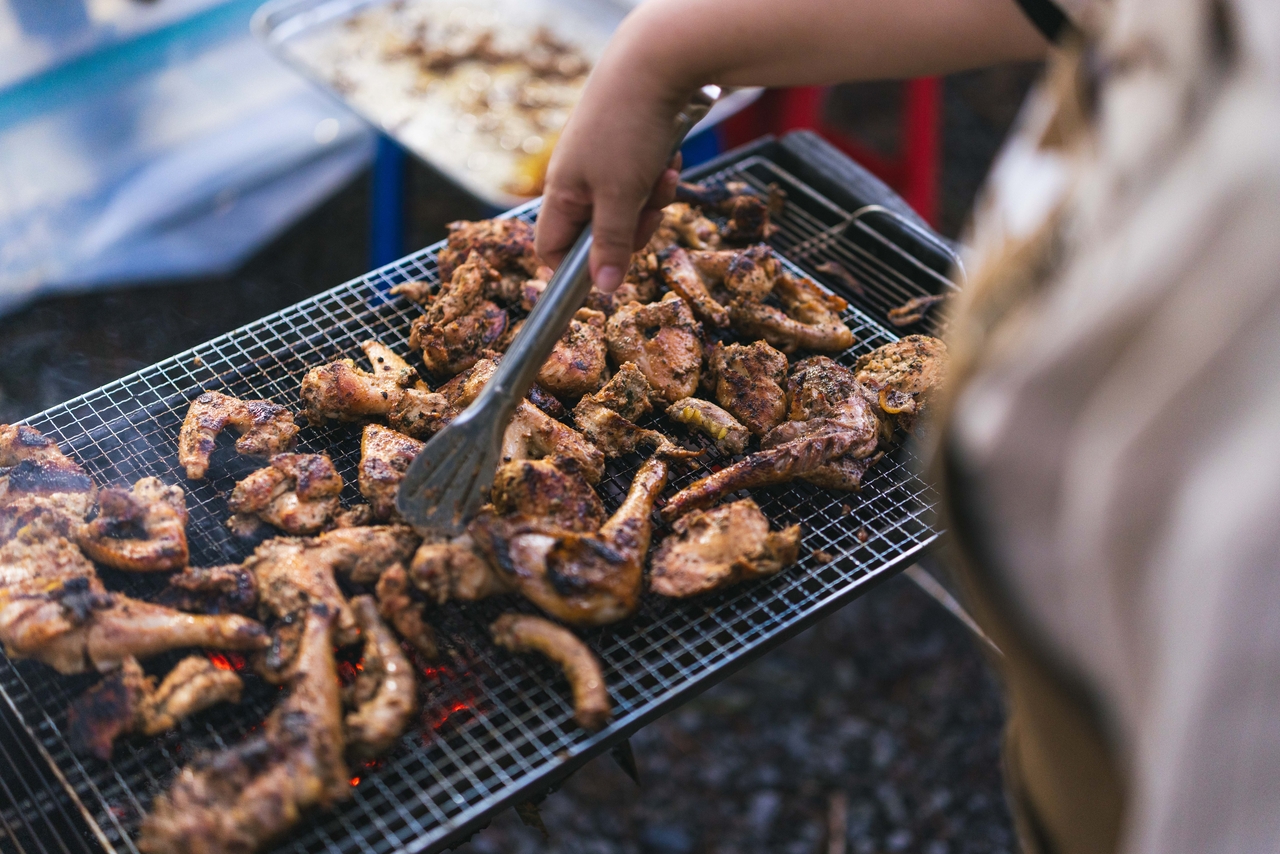
Dinner brings back charcoal-grilled chicken, a dish Jeju Islanders ate for generations before it largely disappeared. The restored version uses Gyorae native chicken and comes in three ways.
The first is salt-grilled, seasoned with salt made from lava seawater. The second, manong-gui, uses Jeju garlic, "manong" being the Jeju dialect word for garlic. The third is marinated in doenjang, fermented soybean paste. As the meat grills, it is sprinkled with cheongju, a clear rice wine, and olive oil to keep it from drying out over the coals.
The meat, with a pronounced flavor somewhat reminiscent of turkey, is on the tough side, but tearing it from the bone is half the fun. Working each piece clean feels almost like a return to hunter-gatherer days. The tangerine wines from 1950 Winery round out the meal.
Chicken soup to start the day
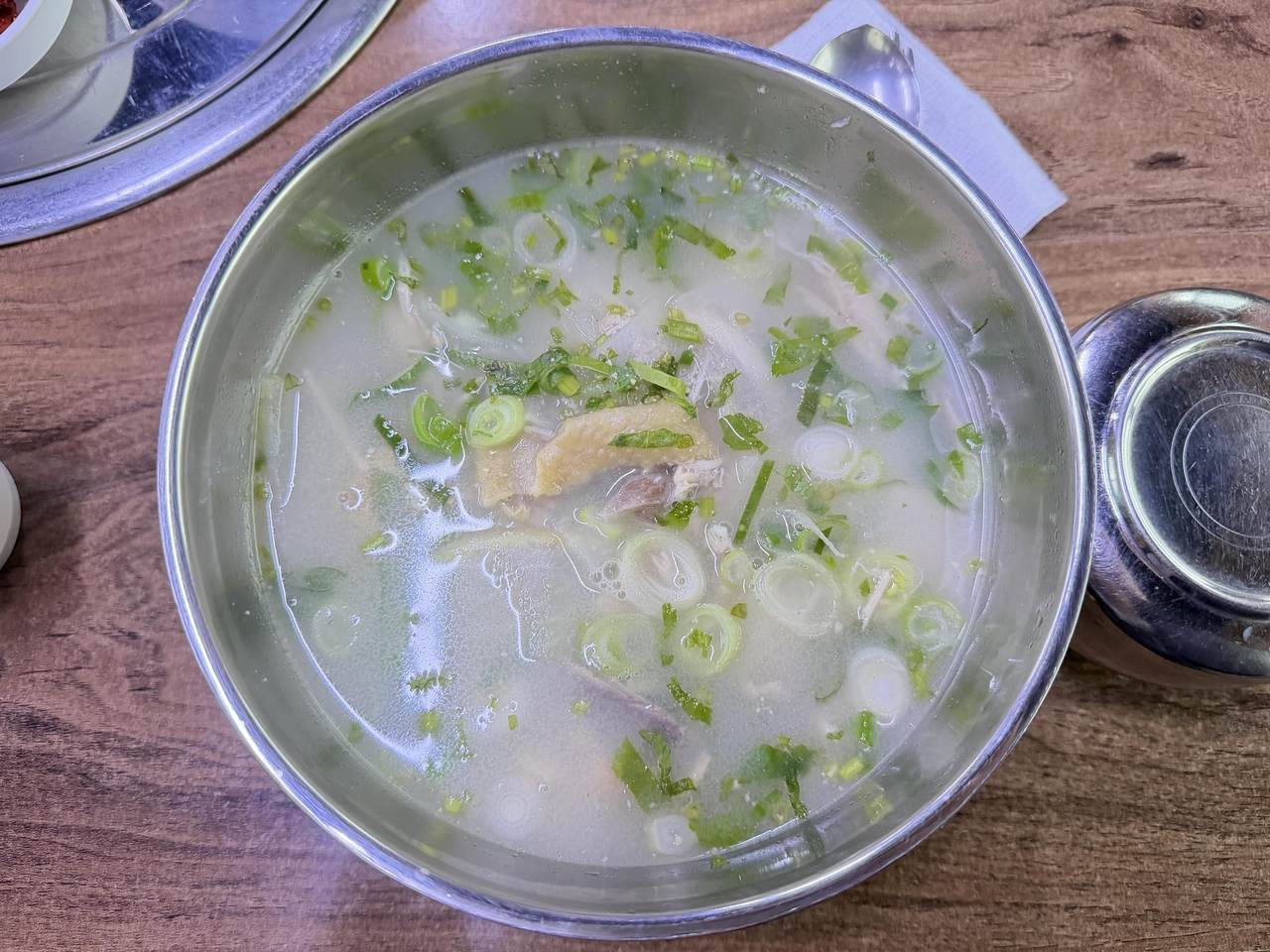
Breakfast is a morning bowl of dakgomtang, native chicken simmered into a clear broth and topped with shredded meat. It tastes much like sogogi muguk, the clear beef and radish soup, with chicken in place of beef. As the weather turns cold, a bowl of the hot broth warms the body from within and makes for a comforting start to the day.
After breakfast, the group sets out on the Samdasoo Forest Trail, a cedar-lined path where singer-actor IU once filmed a commercial for Jeju Samdasoo, the island's bottled water brand.
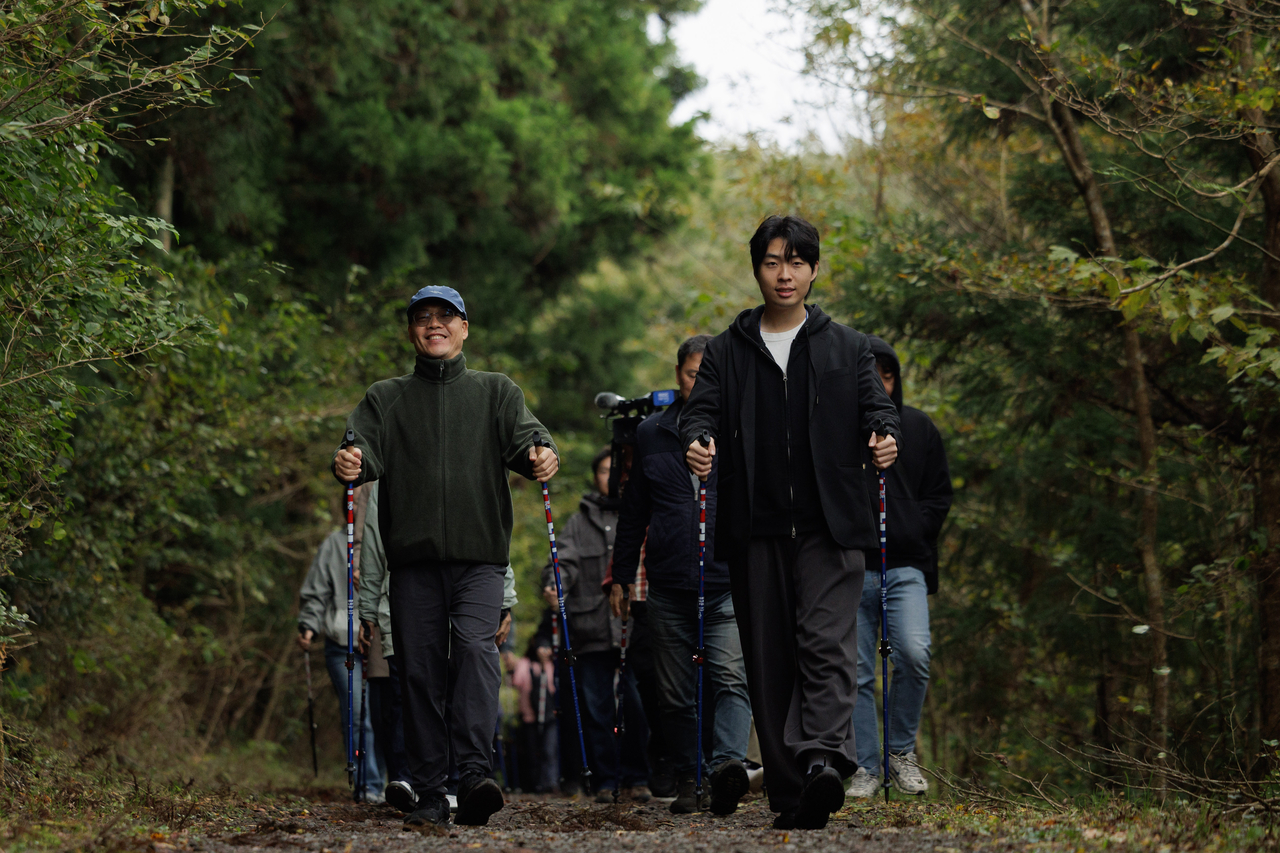
The trail is walked Nordic style, with a pair of poles. Leading the session is Lee, who taught the egg tart class the day before and doubles as a Nordic walking instructor. Walkers push off the poles to propel themselves forward, keeping their legs fully extended and their backs straight.
Developed in Finland as offseason training for cross-country skiers, Nordic walking engages 80 to 90 percent of the body’s muscles, compared with about 50 percent in regular walking, says Lee. The poles also ease pressure on the hips and knees, making it a low-impact workout for all ages.
The 50-minute session is designed to wake up the body after a hearty breakfast, with the scent of phytoncides rising from the cedars along the way.
31 years in the making
From the forest, the tour moves on to the Jeju Samdasoo factory. Jeju Province Development Corp. began drawing groundwater here in 1995 after research found it to be clean, high-quality bedrock water. Jeju Samdasoo has since become the No. 1 brand in Korea's bottled water market.
According to the company, the water forms at an altitude of 1,450 meters in the country's highest rainfall area, where the groundwater recharge rate is 43.5 percent. Rain filters down through 22 layers of volcanic scoria, which removes impurities and adds minerals, and takes about 31 years to become groundwater. It is then pumped from 420 meters below ground.
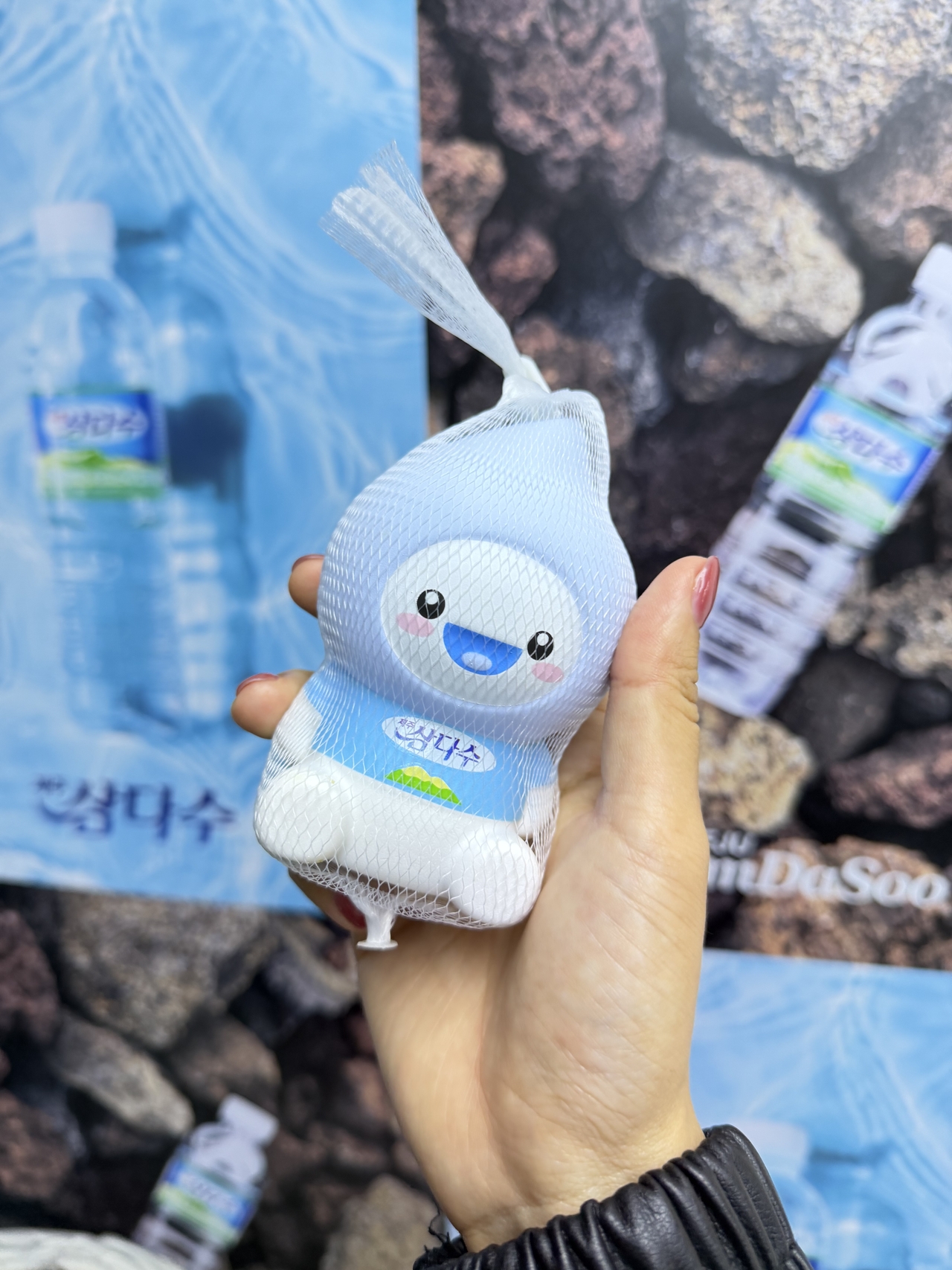
The plant is permitted to draw 4,600 tons a day, or nearly 1.66 million tons a year. Visitors tour the factory production line, and a photo booth lets them turn their pictures into custom Samdasoo bottle labels. Those who take part in a survey receive branded merchandise such as keycaps and squishy toys.
The company's efforts extend to the empty bottles as well. It runs dedicated polyethylene terephthalate bottle collection bins at recycling centers and in residential areas across the island. Since 2021, bins at major tourist sites and supermarkets have given 8 won in points per bottle, which can be used like cash once the balance reaches 2,000 won ($1.50).
1 bird, 3 courses
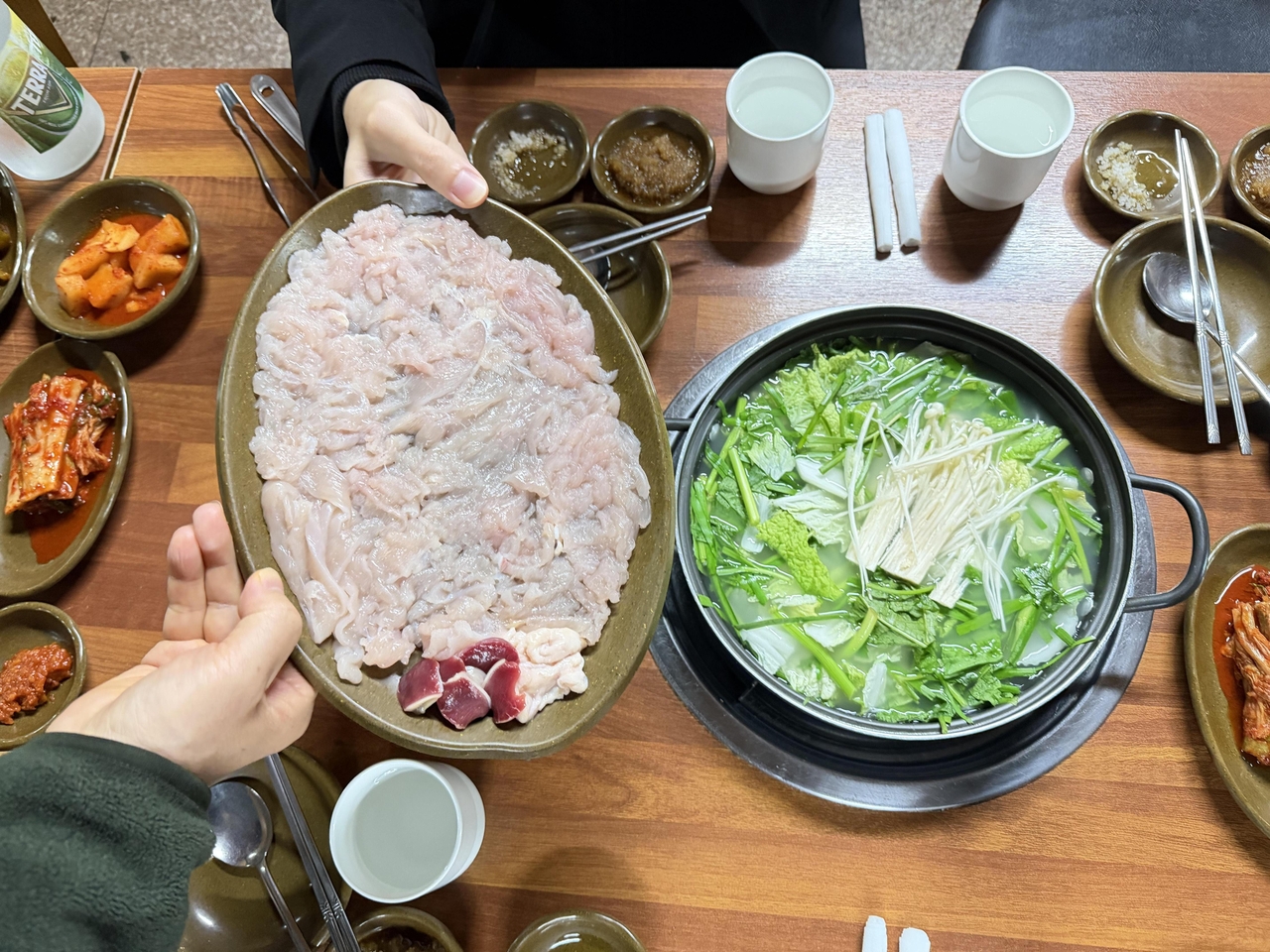
The tour ends with a lunch course, where a single chicken is served in three stages. Because the bird is freshly slaughtered, the breast, gizzard and skin are served raw for shabu-shabu. The slices need only a quick dip in the broth, as they toughen if cooked too long, and a tangy dipping sauce of radish, onion, soy sauce and vinegar cuts through the richness.
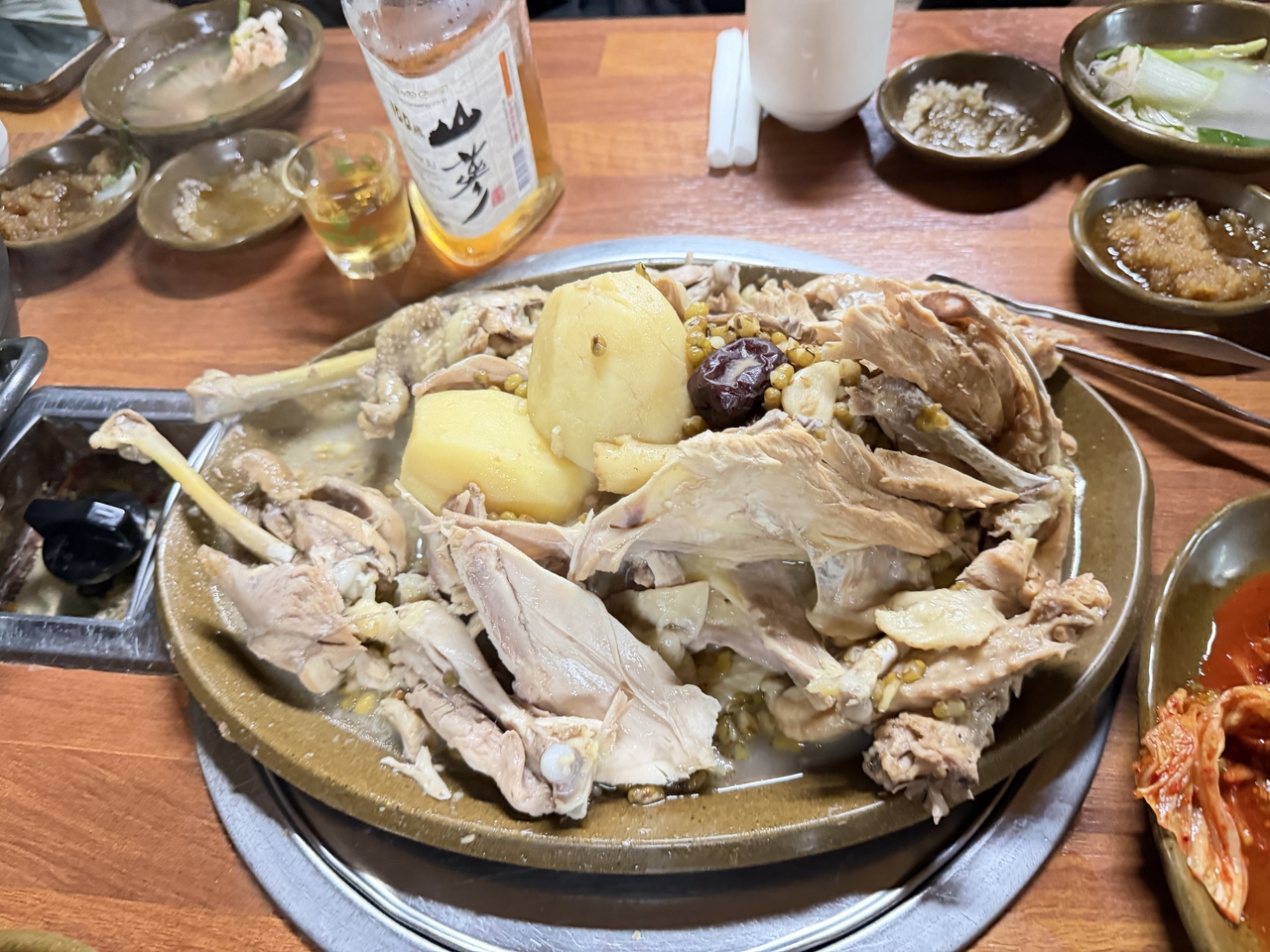
The broth itself, made with chicken feet and hwangchil, or the shrub Korean dendropanax, is deep and savory. Baeksuk comes next, so tender it hardly seems like native chicken, a contrast with the chewy grilled bird of the night before.
The meal closes with nokdujuk, a thick, nutty mung bean porridge, and a glass of sansamju, wild ginseng liquor, which makes an especially good match.
For the institute, the program is as much about regional stories as about the food itself.
"Chicken is a dish familiar to everyone, but each region has its own food culture and stories. We hope this tour will widely promote the appeal of Jeju Island's chicken dishes and local tourism resources, and that more visitors will come to Gyorae to experience the region's food culture," said Woo Seung-wan, general manager of the management planning office at the Korean Food Promotion Institute.
Woo said the institute handles the initial setup, stabilization and promotion. It will continue to develop new food belts toward a goal of 30 by 2032.
Kkokkio Gyorae runs through Dec. 13 and is offered as three products.
Kkokkio Dining Stay, the overnight package, costs 250,000 won. It includes a Gueom chicken dinner course paired with Jeju Island's traditional liquor, a night in Gyorae, a dakgomtang breakfast, a morning forest walk and a gift.
Kkokkio Forest Trekking, a day trip for 50,000 won, includes the Jeju Samdasoo factory tour, a guided Nordic walk on the Samdasoo Forest Trail, a chicken shabu-shabu lunch and a gift.
Kkokkio Egg Adventure, a 40,000 won day trip designed for families, includes a chicken kalguksu lunch, forest exploration on the Samdasoo Forest Trail, and an egg tart baking class.
Bookings are available on the Eat.around website.
yoohong@heraldcorp.com